How to Maintain a Consistent Writing Habit When You Have Zero Time
June 8, 2026 · Steve Harley
How to Maintain a Consistent Writing Habit When You Have Zero Time
The most common excuse for low writing output is a lack of time. We envision the perfect writing environment as an uninterrupted four-hour block in a quiet studio with a fresh cup of coffee. For the vast majority of modern professionals, entrepreneurs, and content creators, that idealized window simply does not exist.
If you wait for massive patches of free time to clear your calendar, your projects will stall indefinitely. Building a sustainable writing practice requires moving away from massive marathons and shifting toward micro-habits that fit seamlessly into your existing daily routine.
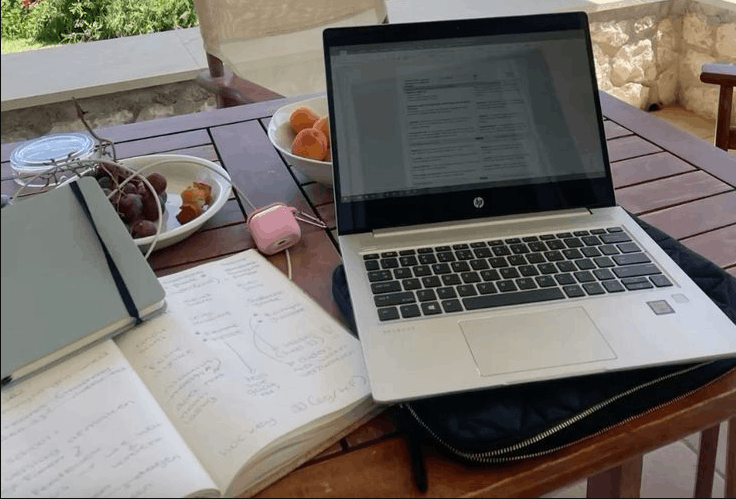
The Myth of the Four-Hour Block
Waiting for large, pristine blocks of time creates intense psychological pressure. When you finally get an hour to sit down, the stakes feel so high that blank-page anxiety kicks in, and you spend thirty minutes adjusting settings or answering emails.
Instead, look at your day as a collection of brief, open intervals:
- The 15-minute commute window.
- The 10 minutes spent waiting for a meeting to begin.
- The brief moments of mental clarity immediately following your morning routine.
If you can utilize these micro-windows to capture ideas, you can easily build a massive repository of raw text without ever scheduling a formal "writing retreat".
Emphasize Frictionless Capture Over Production
The primary reason writers fail to utilize short intervals is friction. If writing an idea requires opening a laptop, navigating past distracting notifications, launching a heavy text processor, and finding the right document, you will choose to scroll social media instead.
To combat this, your capture system must be immediate. Focus on verbalization or quick notation. When a thought occurs to you during a walk or while multitasking around your office, use real-time processing to capture the concept instantly. By capturing your live voice during mundane moments, you turn passive time into high-yield drafting sessions.
Capturing Thoughts Natively in Your Workflow
Maximize Your Micro-Windows Natively inside the Browser
To capitalize on small pockets of time throughout your busy day, consider utilizing VerboText.
Built to function seamlessly right inside your active browser tab, VerboText removes all workflow friction by capturing your live voice dictation on the spot. Because it focuses entirely on real-time browser recording and avoids complex audio file uploading requirements, you can quickly vocalize your thoughts during a 5-minute break. The tool immediately transforms your spoken sentences into simple and polished text, actionable bullet points, or high-level summaries, allowing you to finish substantial draft work on the go.
Establish a "No-Zero" Daily Framework
Commit to a "no-zero" day baseline. This means writing at least one paragraph, dictating one clean conceptual block, or formatting a single set of bullet points every 24 hours. Even if the output is messy, maintaining the psychological loop of daily creation keeps your project alive in your subconscious. When you return to your draft later, you aren't starting cold; you are reacting to work you performed yesterday.