The Art of the Daily Walk: How a Simple Habit Can Transform Your Mind and Productivity
June 21, 2026 · Sarah Wilson
The Art of the Daily Walk: How a Simple Habit Can Transform Your Mind and Productivity
In our fast-paced digital world, the simplest habits often yield the most profound results. Among them, the act of putting one foot in front of the other—taking a daily walk—stands out as a masterclass in holistic wellness. Whether you are stepping out for a brisk fifteen-minute loop around your neighborhood or committing to a dedicated hour-long trek through a local park, the benefits of consistent daily walking stretch far beyond basic cardiovascular fitness.
Moving for Mind and Body: Optimizing Your Routine
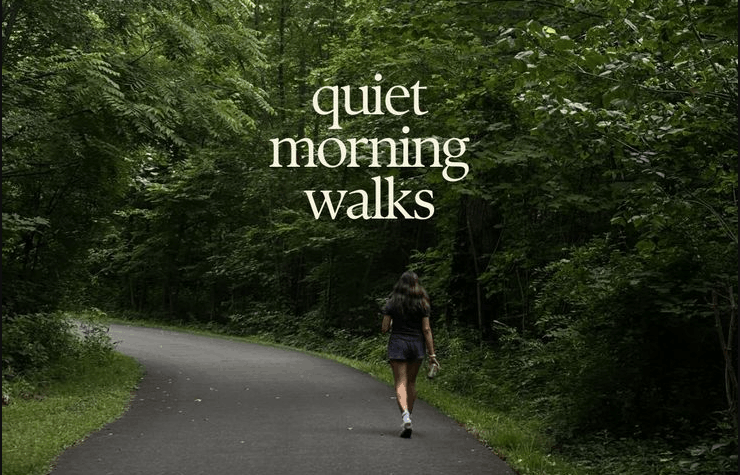
A truly transformative daily walking routine isn’t just about hitting a step goal. It is about aligning your physical posture, environmental awareness, and mental space to maximize health outcomes.
1. Master Your Posture and Stride
Walking efficiently reduces the risk of joint strain and ensures you reap the full aerobic benefits. Keep your spine elongated, shoulders relaxed and down, and your gaze fixed about 10 to 15 feet ahead rather than down at your feet. Allow your arms to swing naturally from the shoulders, and focus on a smooth heel-to-toe strike. Avoid over-striding, which can place unnecessary pressure on your knees and lower back; instead, increase your cadence (steps per minute) if you want to pick up the pace.
2. Time It for Circadian Alignment
While a walk at any hour is beneficial, stepping outside within the first two hours of waking provides a unique advantage. Natural morning sunlight triggers the release of cortisol, helping you wake up, while simultaneously setting your internal circadian clock to improve sleep quality later that night. If morning walks don't fit your schedule, an evening stroll can act as an excellent psychological buffer, drawing a clear line between the workday and personal time.
3. Embrace the Concept of "Passive Focus"
Many people walk while listening to loud, fast-paced music or intense true-crime podcasts. While entertaining, this can sometimes overstimulate an already tired brain. Try dedicating at least half of your walk to silence or ambient nature sounds. This state of passive focus allows your brain to enter the "Default Mode Network" (DMN)—the neural network responsible for creative problem-solving, self-reflection, and making unique mental connections.
From Stride to Story: Capturing Your Best Ideas on the Move
Have you ever noticed that your sharpest breakthroughs happen when you are away from your desk? There is a biological reason for this. Walking increases blood flow to the brain, stimulating the release of brain-derived neurotrophic factor (BDNF) and encouraging neuroplasticity. Icons from Steve Jobs to Friedrich Nietzsche famously used walking meetings and solo strolls as their primary engines of thought.
However, the tragedy of the walking breakthrough is how quickly it evaporates. You think of the perfect opening paragraph for your proposal, an elegant solution to a software bug, or a compelling structure for a new article, only to find the thought completely gone by the time you sit back down at your keyboard.
The Challenge of Traditional Note-Taking
Trying to capture thoughts while walking is notoriously awkward. Stopping every two minutes to type on a tiny smartphone screen breaks your physical rhythm, strains your eyes in the bright sunlight, and completely disrupts the creative flow state you just worked so hard to build.
| Capture Method | Physical Impact | Mental Flow | Output Quality |
|---|---|---|---|
| Manual Typing | Interrupts stride, causes neck strain | Breaks focus, creates friction | Fragmented, short notes |
| Standard Voice Memos | Hands-free, maintains physical rhythm | Allows continuous stream of thought | Messy, raw transcript full of filler words |
| AI-Driven Dictation | Complete physical freedom, safe movement | Expands creative flow effortlessly | Instant polished text, summaries, or bullets |
This is where integrating a structured, natural-language voice capturing routine changes the game. By speaking your thoughts aloud into an app as you walk, you bypass the friction of a keyboard entirely.
How to easily format your walking thoughts into clean text
When you are actively moving, you don't have the time to structure your speech with perfect grammar or punctuation. A modern voice transcription tool like VerboText allows you to speak completely naturally. Rather than dealing with a messy, rambling wall of text that traditional voice memos leave behind, you can instantly turn your stream-of-consciousness ideas into a beautifully polished, clear draft, a concise executive summary, or organized bullet points—all structured to match your specific workflow the moment you finish your walk.Practical Checklist for Elevating Your Daily Stroll
To get the absolute most out of your walking routine starting today, consider incorporating these structural habits:
- Hydrate Early: Drink a glass of water before heading out, especially for morning walks, to jumpstart your metabolic functions.
- Vary Your Terrain: If accessible, alternate between flat pavement, gravel trails, and slight inclines to challenge different muscle groups and keep your mind engaged.
- The 5-Minute Brain Dump: In the final five minutes of your walk, shift your focus from ambient observation to active articulation. Start speaking your reflections, task lists, or creative ideas aloud to solidify them before returning indoors.
- Layer Appropriately: Wear flexible, breathable layers that can be easily unzipped or tied around your waist as your body temperature rises during the walk.
Frequently Asked Questions About Walking Optimization
What is the ideal duration for a daily walk to notice cognitive benefits?
Research indicates that as little as 12 to 15 minutes of walking can significantly boost mood, energy levels, and creative thinking. For deeper physical conditioning and sustained cognitive clarity, aiming for 30 to 45 minutes is highly recommended.
How can I remember everything I think about during a walk without stopping to type?
The most efficient method is utilizing real-time dictation applications that don't require manual typing or heavy visual interaction. By simply talking through your ideas fluidly as they pop into your head, you keep your physical momentum going.
What makes an AI-driven voice tool better than a standard phone recorder?
Standard phone recorders simply capture raw audio or produce literal, unedited text containing filler words, long pauses, and repetitive phrasing. Advanced solutions like VerboText focus on capturing the core intent of your spoken words, delivering simple and polished text, clean summaries, or actionable bullet points that are instantly ready for your documents or project management tools.
Is it better to focus on speed or distance?
For general health, consistency and total duration matter more than raw speed. A steady, brisk pace where you can still maintain a conversation but feel your heart rate slightly elevate is the sweet spot for combining aerobic conditioning with cognitive stimulation.