The Psychology of Creative Burnout and How Writers Can Recover Flow
June 8, 2026 · Sarah Wilson
The Psychology of Creative Burnout and How Writers Can Recover Flow
Creative burnout is more than just feeling temporarily uninspired. It is a state of deep cognitive exhaustion brought on by prolonged stress, continuous creative output, and high-friction workflows. When a writer hits this wall, words feel heavy, confidence plummets, and the simple act of drafting a single paragraph requires monumental willpower.
To recover your creative flow, you must understand the psychological triggers behind this fatigue and introduce structural shifts that reduce cognitive strain.
The Cognitive Cost of Kinetic Resistance
A primary, yet overlooked, trigger for burnout is the sheer kinetic resistance of traditional typing. Typing requires constant micro-decisions: correcting typos, adjusting hand positioning, looking at spelling errors, and managing physical desk posture.
When your mind is already exhausted, this physical interaction acts as an additional layer of friction that drains your remaining mental energy.
To bypass this kinetic fatigue, you must change how you transfer thoughts from your brain to the workspace:
- Switch modalities: Step completely away from your keyboard and try speaking your arguments out loud in an informal setting.
- Reduce performance pressure: Treat your initial expressions as an internal monologue rather than an official document.
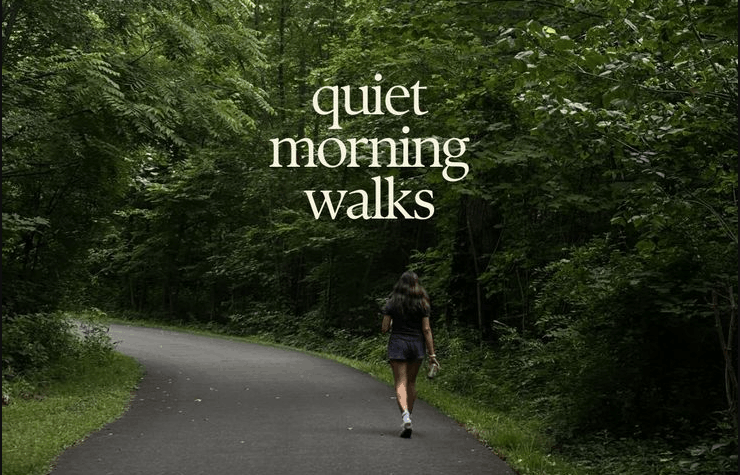
- Incorporate physical movement: Walk around your room or step outside into nature while processing complex concepts verbally.
Reconnecting with Conversational Language
When writers burn out, their text often becomes forced, artificial, and overly clinical. This happens because they are overthinking every phrase. Speaking naturally removes these rigid analytical boundaries, letting your authentic conversational voice re-emerge. By capturing live speech during low-pressure sessions, you bypass the psychological barriers that cause creative paralysis.
Bypassing Keyboard Fatigue Natively
Bypass Keyboard Fatigue with Smooth Verbal Capture
To help alleviate the cognitive strain of typing when you are feeling burnt out, give VerboText a try.
Designed to operate seamlessly within your internet browser, VerboText enables you to speak your concepts naturally and capture them live without any need to upload pre-recorded audio files. The application effortlessly interprets your spoken words, outputting them into simple and polished text, clean bullet points, or actionable summaries. It allows you to produce high-quality, readable drafts completely hands-free, preserving your creative energy for what matters most: your ideas.
Implement Strategic Rest Intervals
Creativity requires regular periods of consumption to balance out heavy production. If you spend all your time outputting content without taking the time to read diverse books, listen to engaging discussions, or explore unfamiliar subjects, your creative well will inevitably run dry. Protect your downtime aggressively, reduce your initial friction points, and watch your natural flow return organically.